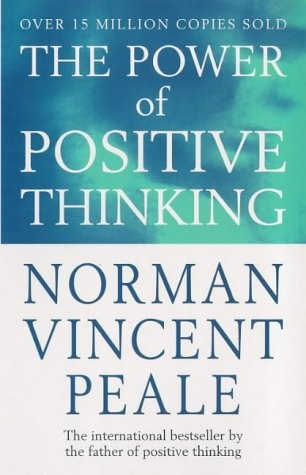
The Power of Positive Thinking
by Norman Vincent Peale
Editorial review
A foundational and now somewhat controversial book that essentially launched the modern self-help genre. Read it as a historical artifact — the rhetoric of much of today's positive psychology and motivational writing was first cast in this mold.
AI-distilled summary
Pastor Norman Vincent Peale combines Christian devotional language with practical exercises — visualization, affirmation, prayer, simple mental hygiene — into a step-by-step program for replacing chronic worry and self-doubt with sustained, faith-grounded optimism.
Key takeaways
- 1
Repeated mental imagery shapes expectation, and expectation shapes behavior.
- 2
Worry is a habit of mental rehearsal; it can be replaced with a different rehearsal.
- 3
'Believe in yourself' is, in Peale's reading, also a theological statement, not just a psychological one.
- 4
Most so-called 'positive thinking' culture descends, directly or indirectly, from this book.
The right reader
Readers curious about the historical origins of modern self-help, or open to a faith-grounded version of optimism literature.
What it touches
How it reads
Earnest, sermonic, of-its-era.
Reading difficulty: Accessible